




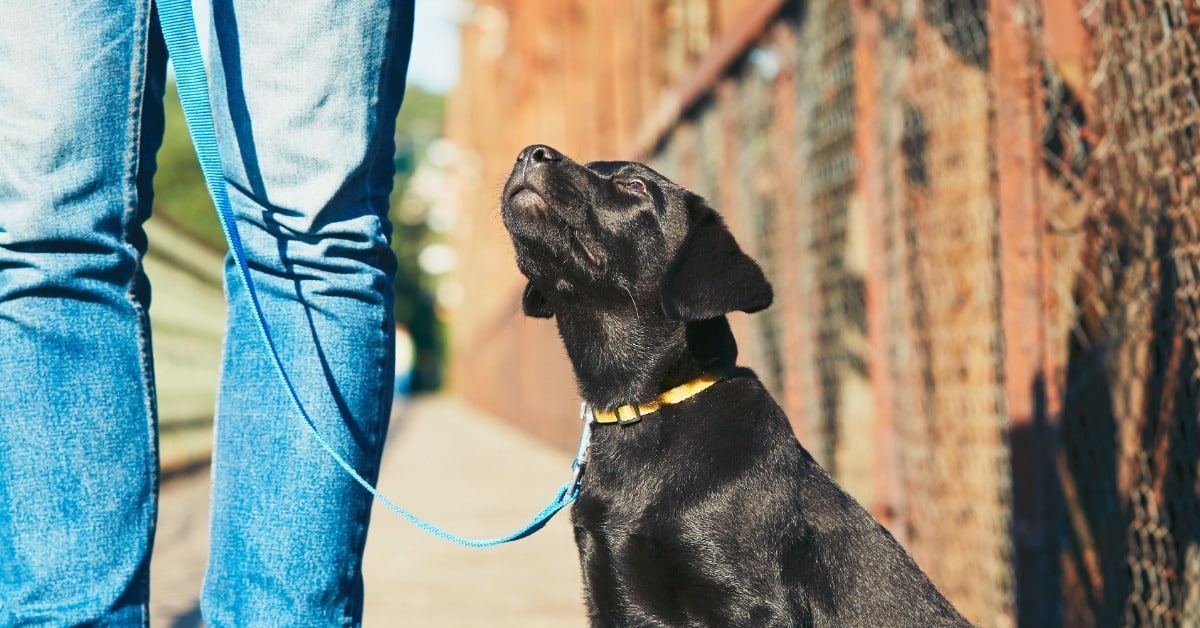
The best dog training method is the one that fits your dog, your home and the problem you want to solve. Most methods fall into a few families: reward-based training, clicker training, balanced training, old-style dominance training, and behavioural or relationship-based training. The approaches that last change how your dog feels and thinks, not just what your dog does on cue, and they never rely on pain or fear.
Search for dog training and you will find trainers who swear by treats, trainers who swear against them, and a lot of labels that sound alike. This guide explains what each method actually means, what it does well, where it falls short, and the questions to ask so you can choose with confidence.
Why the method matters
Every training method answers the same question in a different way: how do we tell a dog “yes, that” and “no, not that”? The answer shapes how your dog sees you. A dog that understands you feels calm and secure. A dog that receives mixed or harsh signals feels confused or anxious, and anxious dogs struggle to learn anything.
The method also decides whether a fix lasts. Some approaches produce a quick change on the day and fade within weeks because nobody dealt with the reason behind the behaviour.
The main dog training methods explained
1. Reward-based (positive reinforcement) training
What it means: you reward the behaviour you want, usually with food, praise or play, and ignore the behaviour you do not want.
What it does well: it builds enthusiasm, it suits teaching new skills like sit or down, and it helps nervous dogs link good things with new experiences.
Where it can fall short: a reward only works if your dog cares more about it than about the distraction. Food rarely competes with a squirrel, a passing dog or a stranger at the door. Timing also matters. Hand over a treat while a dog is barking or lunging and the dog can link the reward with the overexcited state. We explain where we stand in Bark Busters and Positive Reinforcement.
2. Clicker or marker training
What it means: a click or a short word marks the exact moment your dog gets something right, and a reward follows.
What it does well: precise timing. It works brilliantly for tricks, sports and shaping step by step skills.
Where it falls short: it shares the limits of reward-based training. A marker tells a dog what earned the reward, but it does not tell a dog to stop or settle when the dog is already over the top.
3. Dominance or “alpha” training
What it means: an older, and outdated approach built on the idea that a dog is always trying to rank above you, and there is only one leader, so you must physically prove you are in charge.
Where it falls short: grabbing, pinning, rolling or hitting a dog teaches fear, not respect. Fearful dogs often stop showing warning signs and bite with less notice. Dogs do want a calm, consistent leader, but leadership means clear guidance & consistent boundaries not physical force. Our post on what leadership really means in dog training covers the difference. Bark Busters does not use or endorse the use of physical force with dogs.
4. Behavioural and relationship-based training
What it means: the trainer looks at why the behaviour happens before deciding how to change it. That includes your dog’s history, health, environment, routines and how the family responds. This is also what people mean by holistic dog training.
What it does well: it fixes the cause, so the change sticks. It suits barking, reactivity, anxiety, jumping, guarding and the dog who thinks managing the household is their job. A behavioural trainer knows how to teach your to understand your dog’s language, not the other way around. Now you understand each other!
What it asks of you: the family usually changes a few habits too. That is the part that makes the results last.
How Bark Busters trains
We use a behavioural, relationship-based approach. Dogs talk to each other with body language and voice tones, and they understand those signals instinctively. We teach you to use the same signals, so your dog understands you clearly without food lures and without physical force. You can see how dogs signal to each other in our guide to dog body language.
Praise and play still matter, and we use them. Positive reinforcement is an aspect of training, particularly for fear and trauma cases. The difference is that we focus on your dog’s state of mind first. A calm dog listens, learns and makes good choices. Once the relationship is right, obedience skills come quickly. Our post on behavioural vs obedience training explains why the order matters.
Training formats: where the training happens
Method and format are two different choices. You can find most methods offered in several formats:
- Group classes: affordable and social, good for basic skills, but hard for a reactive or anxious dog and they cannot see your home.
- Private in-home training: the trainer works where the problems actually happen, at your door, in your kitchen and on your street, with the whole family. We compare the two in Group vs. Private Dog Training.
- Board and train: your dog stays with a trainer for a period. Dogs often behave well with the trainer and slip back at home, because the family never learned the skills.
- Online courses and videos: useful for simple skills, but nobody watches your dog and corrects your timing.
How to choose a dog trainer and method
Ask any trainer these questions before you book:
- How will you find out why my dog does this? A good trainer asks about history, routines and triggers before suggesting a fix.
- What happens when my dog gets it wrong? Look for calm, clear guidance. Walk away from anything that relies on pain or physical force.
- Will you teach the whole family? Dogs follow the most consistent person in the house. Everyone needs the same message.
- Where will the training happen? Problems at home need solving at home.
- What support comes after the first session? Behaviour change comes in steps, with plateaus and the odd setback. Ongoing help matters more than a single session.
- Can the family watch the sessions? Your dog’s body language, and interactions with various household members tell a trainer a lot. Good trainers discuss everyone’s role.
Frequently asked questions
What is the best dog training method?
The best method fits your dog and solves the cause of the problem, not just the symptom. For everyday manners, most methods can teach a sit. For barking, reactivity, anxiety or guarding, choose an approach that looks at why your dog behaves that way and changes how your dog feels.
Is positive reinforcement the same as reward-based training?
In everyday use, yes. Both mean rewarding the behaviour you want so your dog repeats it. Praise and play count as rewards too, not only food.
How long does dog training take?
Simple skills can improve within days. Behaviour problems usually take weeks of steady work, and the speed depends on how long the habit has run and how consistent the household stays.
Need a hand?
If you are not sure which approach suits your dog, talk to us. Our trainers come to your home, look at the whole picture, and teach the whole family how to communicate with your dog, all backed by our Life Of Dog Support Guarantee. Find your local Bark Busters trainer and get a plan built around your dog.
Find Your Local Trainer