




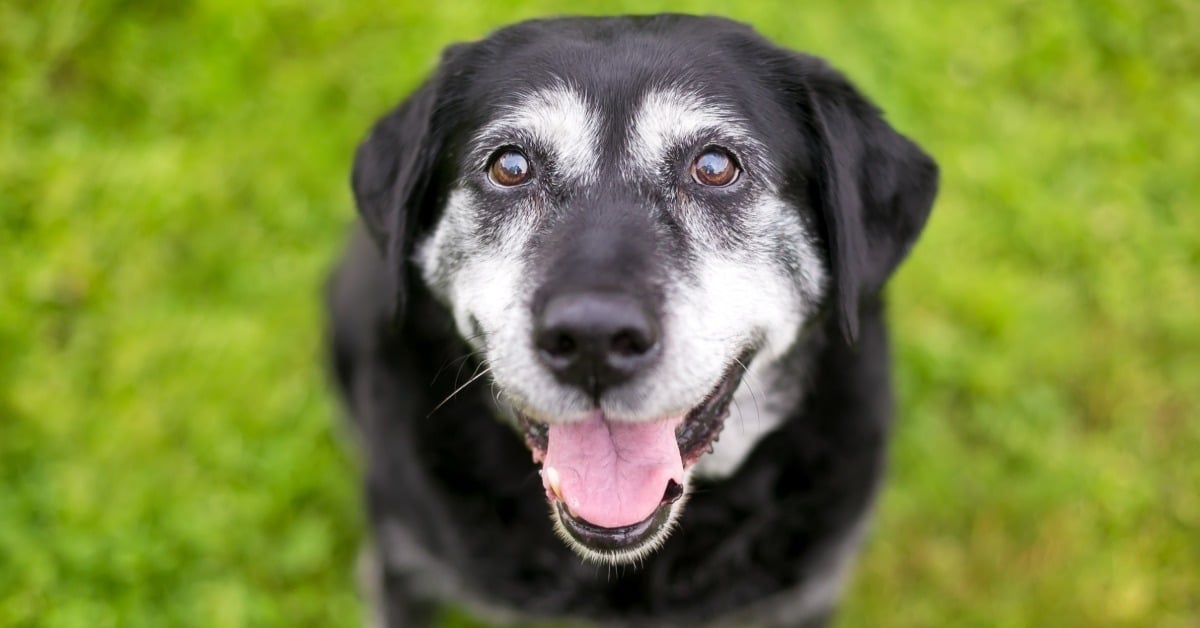
Older dogs often change how they behave. They may sleep more, wake at night, get grumpy with other pets, follow you everywhere, forget house rules or bark at things that never bothered them before. Some of that is normal aging. A lot of it comes from pain, fading sight or hearing, or changes in the brain, so a vet check comes first. After that, a calm routine, clear communication and small changes around the house can make your senior dog far more comfortable and settled.
Your dog has spent years learning how your home works. When the behaviour you know so well starts to shift, it can feel worrying, and sometimes frustrating. The good news is that older dogs still learn, still read your body language and voice, and still respond to a steady routine. This guide covers the changes to watch for, what usually sits behind them, and what you can do at home to help.
When is a dog a senior?
It depends on size. Large and giant breeds age faster, so many vets treat them as seniors from about seven years old, sometimes earlier. Small and medium breeds often reach their senior years closer to ten. Your vet can tell you where your own dog sits, but as a rule, changes in behaviour after middle age deserve some attention.
Common behaviour changes in senior dogs
Night waking and restlessness. Your dog paces, pants, whines or barks in the small hours, then sleeps much of the day. Our post on why dogs bark at night covers the wider causes.
New grumpiness. A dog who always tolerated the cat, the grandchildren or a younger dog now growls or snaps. Pain is the most common reason. A sore hip or a bad tooth makes anyone short-tempered. Our post on why dogs growl explains why a growl is a warning worth listening to, never something to punish.
Clinginess and anxiety. Your dog shadows you from room to room or becomes upset when you leave, even after years of coping well alone. See our complete guide to leaving your dog home alone for ways to build confidence again.
Confusion. Your dog stands at the hinge side of the door, gets stuck behind furniture, stares at walls or seems not to recognise a familiar person for a moment.
Accidents in the house. A dog with years of perfect toilet habits starts having accidents indoors.
More barking or startling. A dog who cannot hear you approach, or cannot see clearly in dim light, may bark at shadows or jump when you touch them.
Less interest in play, walks or people. Some older dogs simply slow down. Others withdraw because something hurts.
What is behind these changes?
Pain. Arthritis, dental disease and other aches are very common in older dogs, and dogs hide pain well. Stiffness after rest, reluctance on stairs, slowness getting up or a dislike of being touched in one spot are all clues.
Fading senses. As hearing and eyesight decline, the world becomes less predictable. A dog who cannot see you coming or hear you call has every reason to feel unsure.
Changes in the brain. Vets recognise a condition called ‘canine cognitive dysfunction’, which is broadly similar to dementia in people. Typical signs include disorientation, changes in how your dog interacts with the family, a disrupted sleep pattern, house soiling and a change in activity levels. It usually develops gradually, and your vet can discuss options that may slow it down.
Other medical causes. Hormone, kidney and bladder problems can all show up first as a change in behaviour or toilet habits.
That is why we always say the same thing first: if your senior dog’s behaviour changes, book a vet visit before you start any training. Training cannot fix pain, and a dog in pain cannot relax enough to learn.
How to help your senior dog at home
1. Keep a steady routine. Feed, walk, play and settle at the same times each day. Predictability lowers anxiety, especially for a dog whose memory or senses are slipping.
2. Make the house predictable. Keep furniture where it has always been. Put down rugs or runners on slippery floors so your dog can walk with confidence, and leave a low light on at night for a dog who struggles in the dark.
3. Communicate in ways your dog can still pick up. If hearing fades, lean more on your body language, a hand signal and gentle touch. If eyesight fades, use your voice more and let your dog know you are coming before you touch them. Dogs read tone and posture naturally, and older dogs rely on it even more.
4. Protect your dog’s space. Give your dog a comfortable resting spot away from busy doorways, where children and younger pets know to leave them alone. A grumpy senior often just needs a guaranteed place to rest undisturbed.
5. Shorter, gentler walks, more often. Two or three short sniffy walks usually suit an older dog better than one long one. Sniffing gives the brain a workout without straining sore joints.
6. Keep the mind busy. Gentle games, and short training sessions keep older dogs sharp. Teaching something new, even something small, gives your dog a sense of achievement. Our 2025 post Can You Train an Older Dog? has more ideas.
7. Help with nights. More activity and daylight during the day, a calm wind-down in the evening and a last toilet break just before bed all help. If your dog wakes and wanders, a quiet, reassuring response works better than either ignoring them or making a big fuss.
8. Handle with care. Approach obviously and deliberately – no sneaking up. Let your dog see and sniff you, and avoid touching sore areas. Prepare visitors and children to do the same.
9. Adjust your expectations, not your standards. Your senior dog can still live by your house rules. You may need to make the rules easier to follow, with more toilet breaks, more patience and more help.
Senior dogs and younger pets
A new puppy or a bouncy adult dog can wear an older dog out fast. Supervise their time together, give your senior dog regular breaks, and step in calmly before play gets too rough. If you are thinking about adding a younger dog, our complete guide to adding a second dog walks through, if this is an appropriate choice, and how to do it fairly for both.
Mistakes that make things harder
Punishing accidents or growling. Your dog is not being difficult. Something has changed for them, and punishment only adds fear & confusion.
Assuming it is just old age. Many causes respond well to treatment. Waiting can mean months of avoidable discomfort.
Rearranging the house. A new furniture layout or a sudden move of the dog’s bed can leave an older dog lost in their own home.
Doing too much or too little. Long, tiring outings cause soreness, but a dog left with nothing to do declines faster. Aim for little bits, more often.
When to call a trainer
Once your vet has ruled out or treated medical causes, a behavioural trainer can help with anxiety when left alone, growling at family or other pets, night barking and new fears. We work in your home, where your dog lives and where the changes show up, and we show the whole family how to communicate with an older dog calmly and clearly. Our complete guide to helping a fearful dog covers many of the same confidence-building steps.
Every program includes our Life Of Dog Support Guarantee, so your trainer stays with you for the life of your dog, right through the senior years.
Frequently asked questions
Is it normal for an old dog’s behaviour to change?
Some slowing down is normal. Sudden or marked changes, such as new aggression, confusion, night waking or accidents, usually have a cause your vet can look into.
Why is my old dog suddenly grumpy?
Pain is the most common reason, often from arthritis or dental disease. Fading eyesight or hearing can also make a dog startle and react. Start with a vet check, then give your dog a quiet space and ask the family to approach gently.
Why does my senior dog pace and whine at night?
Night restlessness can come from pain, needing to go out more often, anxiety or changes in the brain linked to canine cognitive dysfunction. A vet visit, a steady daytime routine and a calm bedtime routine all help.
Can you still train a senior dog?
Yes. Older dogs learn well with short sessions. Training also keeps their mind active, which helps them stay settled and confident.
Free guide: Is a vet visit stressful for your older dog? Download our Preparing Your Dog for a Vet Visit guide (PDF) for simple ways to keep check-ups calm. You can find more handouts on our Free Dog Training Resources page.
Free guide: Looking for gentle ways to keep your senior dog’s mind busy? Download our Indoor Games to Play with Your Dog guide (PDF) for easy games you can play at home.
Find Your Local Trainer