




The most effective plan for house training a puppy in a condo combines a consistent potty schedule (one hour for every month of your puppy’s age, plus trips after eating, napping, or playing), proper containment using a crate or penned area when you can’t supervise, and an indoor (or balcony) toileting option for emergencies—especially when living on higher floors where outdoor access takes several minutes. Success comes from never allowing your puppy to wander unsupervised and being prepared for the unique challenges that high-rise living presents.
At Bark Busters, we’ve helped countless condo owners navigate the specific challenges of house training without a backyard. Here’s everything you need to know.
Key Takeaways
• The main challenge is access: Living on a higher floor with no easy access to get outside is the most common reason condo house training fails or takes longer than expected.
• Puppies have limited bladder control: The general rule is one hour for every month of life, plus trips outside after eating, napping, or running around.
• Pee pads have their place: Indoor toileting areas are useful for very young dogs, or for owners who have any mobility issues that prevent moving quickly.
• Containment is essential: A crate or penned area is necessary for all puppies, and an indoor or balcony toileting area (if your building allows it) is a smart backup.
• Full-time workers can succeed: House training is realistic without constant supervision if you set a reasonable schedule and contain your puppy when you can’t supervise.
• Patience pays off: Most puppies need a crate, pen, or safe space for the better part of their first year before you can assess whether they’re truly reliable.
What Makes Condo House Training Different?
When you live in a house with a yard, you can have your puppy outside in seconds. The moment you see them sniffing or circling, you scoop them up and get them onto grass before any accident happens.
In a condo, that simply isn’t possible. The fundamental challenge is living on a higher floor with no easy access to get outside. By the time you leash up your puppy, get to the elevator, wait for it to arrive, ride down multiple floors, walk through the lobby, and reach the designated outdoor area, your puppy’s tiny bladder may have already given out.
This distance between your living space and the appropriate toileting area is the single biggest factor that makes condo house training harder and often longer than training in a home with a yard.
Understanding Your Puppy’s Bladder Capacity
Before you can create a realistic schedule, you need to understand what your puppy is physically capable of.
The general rule is that puppies can hold their bladder for approximately one hour for every month of life. A two-month-old puppy can hold it for roughly two hours; a four-month-old for about four hours.
But this is just a baseline. Puppies also need to go out after eating, after napping, and after running around or playing. Any activity that gets them excited or moving can stimulate the need to eliminate.
This means a young puppy might need eight to ten trips outside during waking hours—a significant commitment when each trip involves navigating hallways, elevators, and shared spaces.
Creating a Realistic Potty Schedule for Condo Living
Consistency is everything in house training. Your puppy needs to learn that there are specific times and places for toileting, and a predictable schedule helps establish this pattern.
First thing in the morning: Puppies wake up needing to go immediately. Don’t stop for coffee or check your phone—get your puppy outside (or to their indoor toileting area) right away.
After every meal: Eating stimulates the digestive system. Plan a potty break within 5-10 minutes of finishing a meal.
After every nap: Even a short rest can result in a full bladder. Whenever your puppy wakes up from sleeping, they need to go out.
After play or excitement: Running, playing, or getting worked up accelerates the need to eliminate. Any burst of activity should be followed by a potty opportunity.
Before crating or confinement: Always give your puppy a chance to eliminate before putting them in their crate or penned area.
Right before bed: The last trip of the night should happen immediately before you settle in for sleep.
During the night (for young puppies): Very young puppies cannot hold it through an eight-hour night. You may need to set an alarm for a middle-of-the-night potty break until your puppy matures.
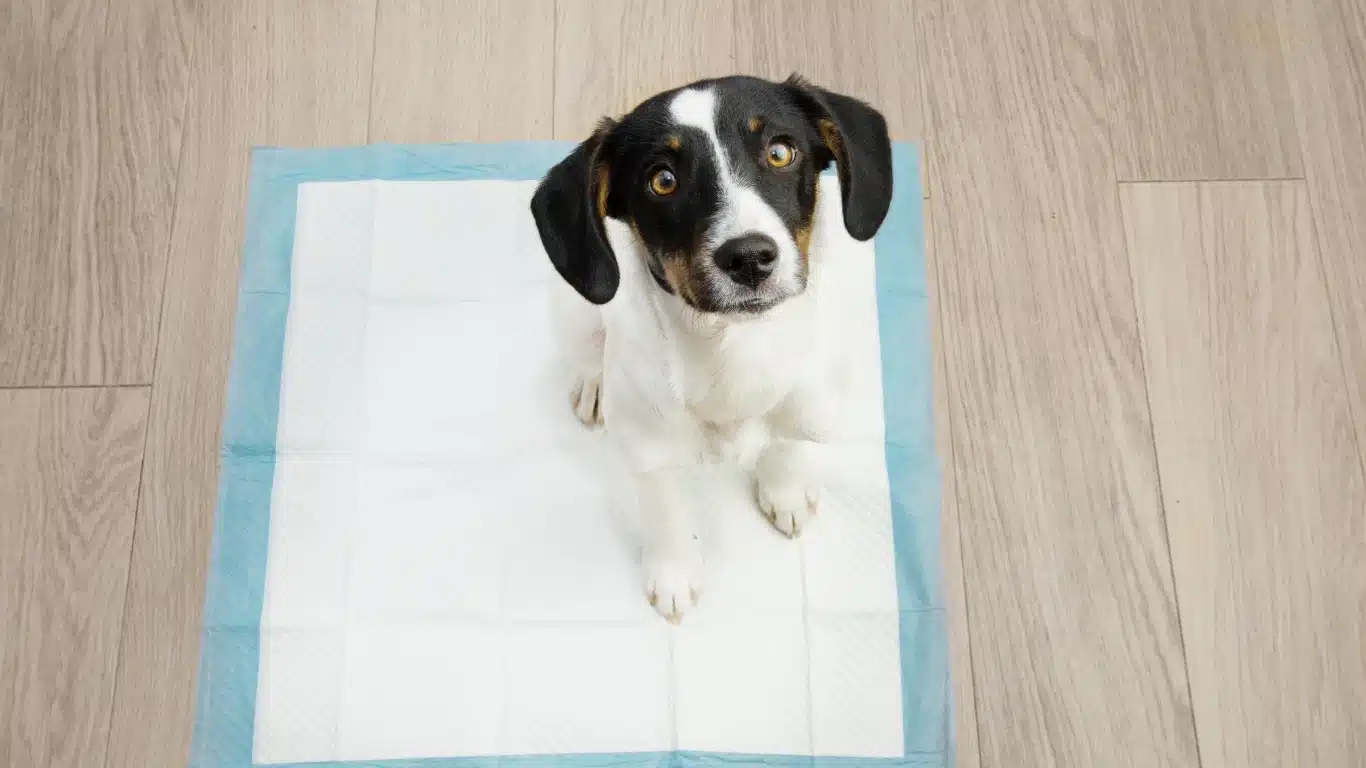
The Role of Pee Pads and Indoor Toileting Areas
Pee pads and indoor toileting areas are useful for:
• Very young dogs who physically cannot hold their bladder long enough to get outside
• Owners who have mobility issues and may not be able to move quickly enough for a young puppy’s urgent needs
• Night-time needs when getting outside takes 5-10 minutes
The concern with pee pads is that they can teach puppies it’s acceptable to eliminate indoors, which may complicate the transition to outdoor-only toileting. However, for condo dwellers—especially those on higher floors—they can be a practical bridge during the early weeks.
If you use an indoor toileting area, consider a balcony setup if your building allows it. The outdoor-adjacent location helps your puppy begin associating “outside” with potty time, even if they’re not yet going to ground level.
Real grass patches (either fresh grass in a container or artificial grass systems) can also help puppies associate the correct surface with toileting, making the eventual transition to outdoor grass smoother.
Night-Time Potty Breaks in a High-Rise
One of the most challenging aspects of condo puppy training is managing overnight needs. When outdoor access takes 5-10 minutes, a young puppy simply cannot be expected to hold it all night and then make it outside in time.
A crate or pen is necessary for all puppies. Dogs naturally avoid soiling where they sleep, so a properly sized crate encourages bladder control and gives your puppy a clear signal that it’s rest time, not play time.
For night-time specifically, an indoor or balcony toileting area is a practical solution. When your puppy wakes at 3 AM needing to go, you can direct them to the indoor spot rather than attempting a full trip outside while half-asleep.
As your puppy matures and their bladder capacity increases, you can gradually phase out the indoor option and transition to outdoor-only toileting.
“My Puppy Pees Right Before We Get Outside”
This is one of the most frustrating scenarios for condo owners: you’re in the hallway or elevator, mere seconds from the outdoor potty area, and your puppy can’t hold it any longer.
Several factors contribute to this:
Excitement: The sights, sounds, and smells of shared hallways can be stimulating. Your puppy may encounter neighbours, other dogs, or interesting scents that get them excited—and excitement can trigger urination.
Greeting people: If someone stops to pet your puppy in the elevator, the social excitement can be too much for their developing bladder control.
Timing: Simply put, the puppy may not be able to hold it that long. If you’re waiting for an elevator while your puppy is already at maximum capacity, accidents are inevitable.
Solutions include:
• When very small, carry your puppy through shared spaces (they’re less likely to urinate while being held)
• Taking your puppy out more frequently so they’re never at maximum urgency
• Moving briskly through hallways and avoiding stops for social interaction until after the toileting break
• Using an indoor toileting area for emergency needs before attempting the trip outside
• Keeping the trip focused—no sniffing or exploring in the hallway, until your puppy has eliminated first
Handling Accidents in Shared Spaces
Despite your best efforts, accidents in hallways, elevators, or lobbies may happen. How you handle them matters—both for your puppy’s training and your relationship with building management and neighbours.
In the moment: It can be helpful to carry a few paper towels in a pocket for quick clean-up. This allows you to address the mess immediately rather than leaving it for others to encounter.
Follow-up: You can return with a proper enzyme cleaner after and/or notify building maintenance, with apologies. Enzyme cleaners are essential because they break down the proteins in urine that create lingering odours. Without proper cleaning, your puppy (and other dogs) may be drawn back to the same spot.
Being proactive and apologetic goes a long way with building staff and neighbours. Most people understand that puppies have accidents—it’s how you handle them that shapes their perception of you as a responsible dog owner.
Containment: The Foundation of Successful House Training
Whether you live in a condo or a house, containment is essential for house training success. Puppies should not have free run of your home until they’re reliably trained.
A crate or pen serves multiple purposes:
• Prevents accidents in areas you can’t supervise
• Teaches your puppy to hold their bladder (dogs avoid soiling their sleeping area)
• Keeps your puppy safe from household hazards
• Provides a secure space that becomes their “den”
The key rule: don’t allow puppies to wander without supervision. If you can’t watch your puppy—whether you’re cooking dinner, taking a shower, or working from home—they should be in their crate or penned area.
This isn’t punishment; it’s management. You’re setting your puppy up for success by eliminating opportunities for accidents.
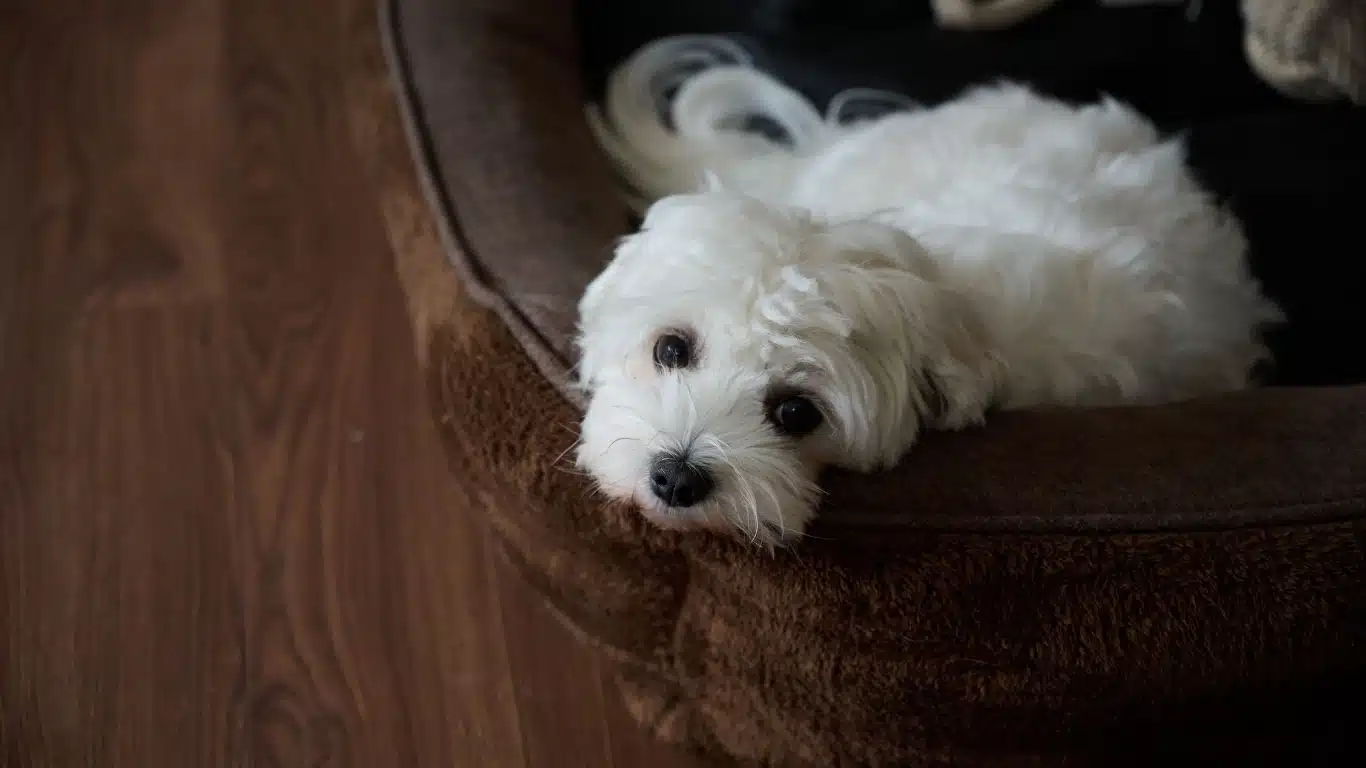
House Training When You Work Full-Time
One of the most common concerns for condo dwellers is whether house training is realistic when you work full-time and can’t provide constant supervision.
The answer is yes—with proper planning.
Set a reasonable schedule: Before work, ensure your puppy has adequate time to eat, play, and have multiple potty opportunities. When you return home, immediately take them out.
Use containment when you cannot supervise: Your puppy should be in a crate or penned area while you’re at work. The space should be appropriate for their size—large enough to be comfortable but not so large they can toilet in one corner and sleep in another.
Consider midday help: For very young puppies who cannot hold their bladder for a full workday, consider hiring a dog walker or asking a neighbour to provide a midday potty break.
Use indoor toileting options strategically: If your puppy is too young to hold it for your entire work shift, a penned area with an indoor toileting spot gives them an appropriate place to eliminate without having accidents throughout your home.
Adjust as your puppy matures: As bladder capacity increases, you can gradually extend the time between potty breaks and eventually eliminate midday help or indoor toileting options.
When Can You Trust Your Puppy Alone?
Many owners want to know exactly when their puppy will be “trained” and can be trusted with more freedom. The reality is more nuanced than a specific age or milestone.
We recommend a crate, pen, or safe space for the better part of the first year, and then assessing what your individual dog needs. Some dogs mature faster than others; some breeds are more challenging to house train; some dogs simply need more structure.
How do you know when your puppy is actually trained versus just getting lucky? Look for consistency over time. A puppy who hasn’t had an accident in a week might just be benefiting from good management. A puppy who hasn’t had an accident in months—despite having more freedom—is likely truly houstrained.
The transition should be gradual. Increase freedom slowly, one room at a time, while still supervising. If accidents occur, you’ve moved too fast.
And here’s an important point: some dogs need to be contained when alone to feel safe, forever. This isn’t a failure of training—it’s simply what that individual dog needs. If your adult dog does well in a crate when you’re away, there’s nothing wrong with continuing that routine.
Common Mistakes That Delay House Training
Giving too much freedom too soon: Puppies who can wander unsupervised will have accidents. Keep them contained or tethered to you until they’re reliable.
Inconsistent schedules: Puppies thrive on routine. Random feeding times and unpredictable potty breaks make it harder for them to develop good habits.
Not cleaning accidents properly: Using regular household cleaners leaves scent traces that draw your puppy back to the same spot. Always use an enzyme cleaner.
Punishing accidents after the fact: Your puppy cannot connect punishment with something they did minutes or hours ago. This only creates fear and confusion.
Assuming your puppy is trained before they are: One good week doesn’t mean your puppy is ready for unsupervised freedom. Take your time with the transition.
Working with a Professional Trainer
House training challenges in condos often benefit from professional guidance. A Bark Busters trainer can assess your specific situation—your floor level, building layout, puppy’s age and temperament—and create a customized plan that works for your lifestyle.
Because every puppy is different and every condo situation presents unique challenges, there isn’t a one-size-fits-all approach. What works for a ground-floor unit won’t necessarily work for a 20th-floor apartment, and what works for one breed may not work for another.
Our in-home training approach means we see exactly what you’re dealing with and can troubleshoot specific challenges like elevator timing, hallway distractions, or balcony toileting setups.
Frequently Asked Questions
How long does condo house training take?
Most puppies show significant improvement within a few weeks of consistent training. However, true reliability typically develops over months rather than weeks, and we recommend maintaining some level of containment for the first year.
Should I carry my puppy through shared spaces?
Yes, carrying your puppy through hallways and elevators can prevent accidents and keep them focused on reaching the outdoor potty area. They’re also less likely to eliminate while being held.
What if my building doesn’t allow balcony toileting areas?
Check your building rules carefully. If balcony options aren’t permitted, focus on a consistent indoor spot (like a bathroom or laundry room) during the early weeks, with a clear transition plan to outdoor-only as your puppy matures.
My puppy uses the pee pad but won’t go outside. What do I do?
This is a common transition challenge. Gradually move the pee pad closer to the door, then outside (if possible), then phase it out entirely. Some puppies need more time with this transition than others.
Is it okay to wake my puppy for night-time potty breaks?
For very young puppies, yes. It’s better to proactively take them out than to let them have accidents. As they mature and can hold it longer, you can let them sleep through and simply respond if they wake.
Getting Started
House training a puppy in a condo requires more planning and patience than training in a house with a yard—but it’s absolutely achievable. The key is understanding your puppy’s physical limitations, creating a consistent routine, using containment strategically, and being prepared for accidents along the way.
If you’re struggling with house training or want professional guidance tailored to your specific condo situation, a Bark Busters trainer can help. We’ll work with you in your home to address the unique challenges of high-rise living and get your puppy on track for success.
Find a Bark Busters trainer near you to get started on your puppy’s house training journey.