




Australian Shepherds are one of Canada’s most beloved dog breeds, and it’s easy to see why. With their striking coats, bright eyes, and boundless enthusiasm, these dogs capture hearts wherever they go. But beneath that beautiful exterior lies a working dog with serious energy and intelligence that requires proper guidance.
If you’re considering bringing an Aussie into your home or already have one and need help, this guide covers what you need to know about training these remarkable dogs.
Key Takeaways
• Australian Shepherd training can start early: Begin potty training, chewing, and crate training as early as 8 weeks old. More advanced training, like recall with distractions, is easier to tackle at 6 months or older.
• Australian Shepherd exercise requirements are significant: Australian Shepherds need at least 1.5 to 3 hours of mental and physical exercise daily to stay balanced and well-behaved. Individual results may vary!
• Herding behaviour requires management: Supervision is essential when your dog is around children or other pets. Keep the dog with you (the adult) while kids are running around to ensure an overzealous pup doesn’t nip ankles or bowl a small child over. They’re smart but need the right owner: Australian Shepherds are good for first-time owners, but only if you’re ready to commit to their mental and physical exercise needs – don’t expect these dogs to be couch potatoes.
• Common Australian Shepherd challenges include: Pulling on walks, barking at other animals, jumping on people, and herding/nipping children or pets.
• Don’t choose based on looks: We get it. They’re gorgeous, and many even have blue eyes! These beautiful dogs require active owners though—make sure your energy level matches what an Australian Shepherd needs.
Are Australian Shepherds Easy to Train?
The short answer? Yes, Australian Shepherds are highly trainable dogs. Their intelligence ranks among the highest of all dog breeds, and they genuinely love to learn new things.
However, “easy to train” comes with an important caveat. These dogs are high-energy, and they thrive when given both mental and physical exercise. Without proper stimulation, that sharp mind can work against you, leading to creative mischief like digging, excessive barking, or finding ways to escape your yard.
Are Australian Shepherds Good For First-time Owners?
Australian Shepherds can be good for first-time owners, provided that the person is ready to give this dog the mental and physical exercise it needs. If you lead an active lifestyle and enjoy spending time outdoors, an Aussie could be the perfect match. If you prefer quiet evenings on the couch, or lazy Saturdays, this may not be the breed for you.

When Should I Start Training My Australian Shepherd Puppy?
Training your Australian Shepherd can begin much earlier than many people realize.
8 Weeks Old: Puppy training can start as early as 8 weeks for potty training, chewing, and crate training. At this age, your puppy is a sponge, soaking up everything about their new environment and learning what behaviours are acceptable.
3 to 4 Months: Continue building on basic commands like sit, stay, and their name recognition. This is also an excellent time to work on socialization with important people, like the groomer, and other animals.
6 Months Old: More advanced training items like recall with distractions become easier to tackle around this age. By now, your Aussie should be well on their way with potty training, comfortable in their home, and familiar with basic commands – keep in mind they still aren’t fully mentally grown until 18-24 months!
If you are looking for an expert to train your Australian Shepherd puppy, Bark Busters trainers are ready to help. Simply find a trainer near you and start training for your puppy.
Common Behavioural Challenges with Australian Shepherds
Every breed has its quirks, and Australian Shepherds are no exception. At Bark Busters, we see certain behavioural patterns repeatedly with this breed.
1- Pulling on Walks
Australian Shepherds are athletic and eager to explore, which often translates to pulling on the leash. They want to investigate every scent, chase every squirrel, and move faster than you’re walking. Proper leash training is essential to make walks enjoyable for both of you.
2- Barking at Other Animals
Many Aussies become vocal when they spot cats, other dogs, or wildlife. This behaviour often stems from their herding instincts; they’re trying to “control” animals they see as part of their flock. Consistent training with a Bark Busters trainer can help redirect this instinct appropriately.
3- Jumping on People
Australian Shepherds are social dogs who love greeting people, sometimes a bit too enthusiastically. Jumping can look like their way of ‘saying hello’, but it can be problematic with visitors, children, or elderly family members.
4- Herding and Nipping
Perhaps the most common concern owners bring to us is their Aussie’s tendency to herd children and pets. This behaviour is hardwired into the breed—Australian Shepherds were bred to move livestock by nipping at their heels. When there’s no livestock around (and who has the time to raise a herd of sheep? Not the average person!), running children or other pets become the target.

How to Stop Your Australian Shepherd from Herding Children and Pets
Watching your dog chase and nip at your kids can be alarming, even when you understand it’s instinct rather than aggression.
Supervision is always key with all dogs and kids. The best approach is to keep the dog with you (the adult) while the children are running around. This allows you to interrupt the herding behaviour before it starts and redirect your dog’s attention.
Bark Busters can show you how to accomplish this, both on leash and off leash. The goal is to teach your dog impulse control and help them understand that herding family members isn’t their job.
Training Methods That Work Best for Australian Shepherds
Given their intelligence and energy, Australian Shepherds respond best to training that engages both their minds and bodies.
Incorporate Movement and Play: These dogs need their brains worked, and they learn best when training feels like a game. Activities like agility, fetch during training sessions, or interactive puzzle toys can help keep them engaged.
Focus on Mental Stimulation: Physical exercise alone isn’t enough for an Aussie. They need mental challenges too. Without adequate mental stimulation, even a physically exhausted dog can become restless and problematic. Teaching new tricks, going to new environments, and varying your training routines all help.
Teach Them to Settle: Teaching your Australian Shepherd how to settle around company is key to calm visits. These dogs can get overstimulated when guests arrive, so working on relaxation protocols help them learn to be calm in exciting situations.
Bark Busters’ in-home training approach works particularly well with Australian Shepherds because we address behaviours in the environment where they actually occur. We can work with your family’s specific challenges, whether that’s greeting visitors at the door or managing your dog around your children.
How Much Exercise Does an Australian Shepherd Really Need?
This is where many new Aussie owners underestimate the commitment involved.
Individual results may vary, but Australian Shepherds need anywhere from 1.5 to 3 hours of mental and physical exercise per day. This breed requires significant daily activity to remain balanced and well-behaved.
This exercise should include:
• Physical Activity: Long walks, runs, hikes, fetch, swimming, or dog sports like agility
• Mental Stimulation: Training sessions, puzzle toys, learning new commands, or activities that require problem-solving
Without this level of activity, Australian Shepherds often develop behavioural problems. They may bark excessively, dig up your yard, chew furniture, or become increasingly difficult to manage.
If this many hours of exercise daily sounds overwhelming, consider whether an Australian Shepherd is truly the right fit for your lifestyle. If you’re not sure, give us a call. We see it all, and a’re always happy to talk through the pros and cons of certain breeds for your life!
Common Mistakes New Dog Owners Make
After working with countless dog owners, certain patterns emerge in the mistakes people make with this breed.
Getting a Dog Based on Looks
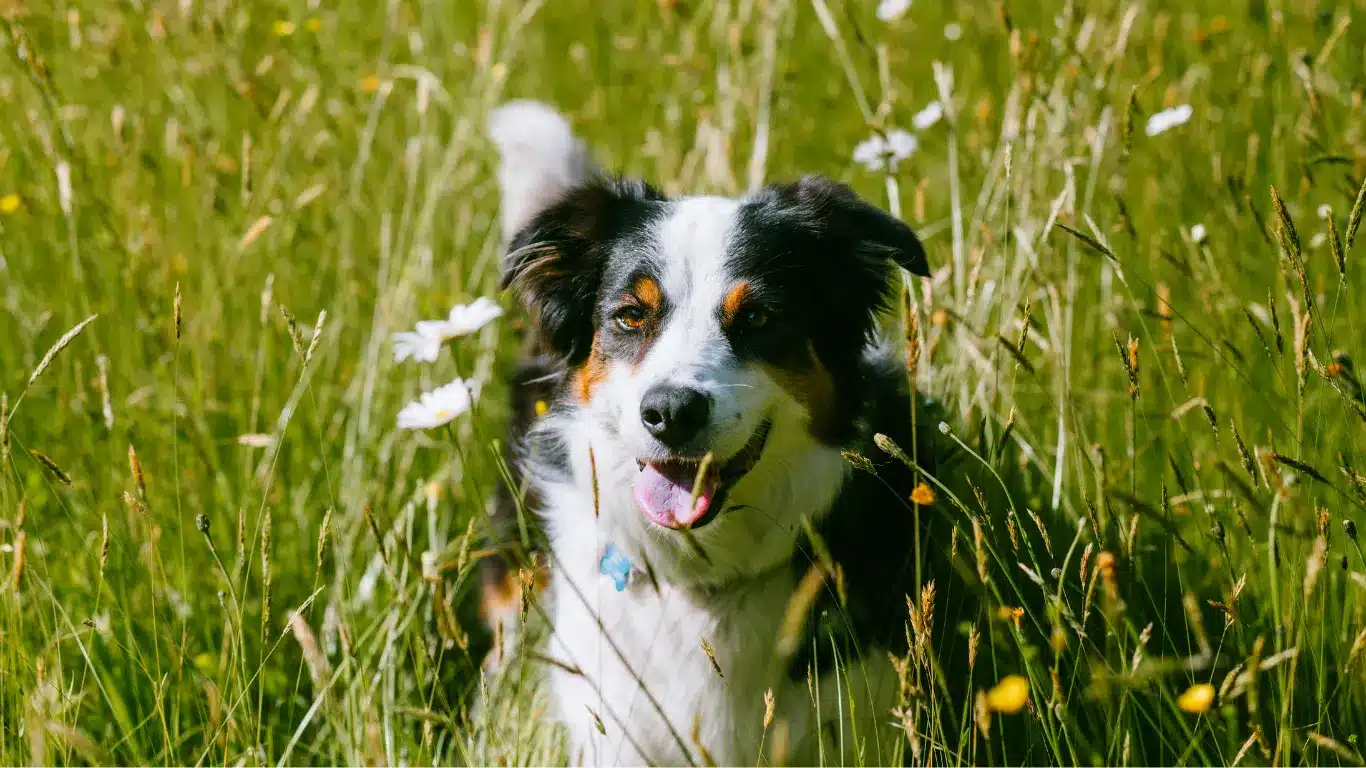
Do not get a dog because it is pretty. Australian Shepherds are undeniably good-looking dogs, but getting a dog for looks alone is a bad idea. That stunning merle coat comes attached to a high-energy working dog that needs a job to do.
Underestimating Exercise Requirements
Many owners believe a backyard and a daily walk will suffice. It won’t. Without proper outlets for their energy, Aussies will create their own activities, and you probably won’t like them.
Mismatching Energy Levels
Make sure your level of energy and physical activity matches what an Australian Shepherd needs. If you enjoy hiking, running, or outdoor adventures, an Aussie will be your perfect companion. If you prefer a more sedentary lifestyle, both you and the dog will end up frustrated.
Starting Training Too Late
Waiting until your puppy is older to begin training allows bad habits to form. Start from day one with basic training and routines.
Potty Training Your Australian Shepherd
Potty training can begin as soon as you bring your puppy home, typically around 8 weeks of age.
Crate Training: Crates are an important tool in the potty training process. Dogs naturally avoid soiling where they sleep, so properly sized crate training teaches bladder control. Make sure the crate is large enough for your puppy to stand, turn around, and lie down comfortably, but not so large that they can use one corner as a bathroom.
Establish a Schedule: Young puppies need bathroom breaks frequently—every 1-2 hours during the day, plus after meals, naps, and playtime. Consistency helps your puppy learn what’s expected.
Pick a Potty Spot: Always take your puppy to the same designated area outside. They’ll learn to associate this spot with bathroom time.
Watch for Signs: Circling, sniffing, or whining often indicate your puppy needs to go out. Take them immediately when you see these behaviours.
Most Australian Shepherds, with consistent training, are well on their way to being fully potty trained by 6 months of age.
Why In-Home Training Works for Australian Shepherds
Group classes and dog parks have their place, but for addressing behavioural issues, in-home training offers distinct advantages.
Australian Shepherds often behave differently at home than in a training facility. The behaviours you want to address, jumping on visitors, barking at passersby, and herding the kids, happen in your home, not a training classroom. Working with a trainer in your environment allows us to address these issues where they actually occur.
Bark Busters provides in-home dog training services across Canada, and our approach aligns well with Australian Shepherd needs. We focus on teaching both of you and your dog the skills needed for a harmonious relationship.
Frequently Asked Questions About Australian Shepherd Training
Are Australian Shepherds good family dogs?
Yes, when properly trained and exercised, Australian Shepherds make wonderful family dogs. They’re loyal, affectionate, and playful. However, their herding instincts around children require management, and they do best with active families who can meet their exercise needs.
How long does it take to train an Australian Shepherd?
Training is an ongoing process rather than a destination. You’ll see significant progress within the first few sessions, but building good habits takes consistency over time. Bark Busters offers a lifetime support guarantee, ensuring you always have backup as new challenges arise.
Can older Australian Shepherds still be trained?
Absolutely. While puppies are more impressionable, adult Australian Shepherds remain intelligent and eager to learn throughout their lives. It may take more patience to change established habits, but it’s certainly possible.
Why does my Australian Shepherd follow me everywhere?
Aussies form strong bonds with their owners and often become “velcro dogs.” While this attachment is endearing, it can sometimes develop into separation anxiety. Training your dog to be comfortable when alone is important.
How do I stop my Australian Shepherd from barking so much?
Excessive barking often stems from boredom, alerting behaviour, or frustration. Addressing the root cause—whether that’s more exercise, training to manage alerting, or teaching alternative behaviours—is more effective than trying to suppress the barking itself.
Getting Started with Australian Shepherd Training
Whether you’ve just brought home a puppy or you’re struggling with an adult Aussie’s challenging behaviours, professional support makes a difference.
Bark Busters trainers across Canada specialize in working with all breeds, including the unique challenges Australian Shepherds present. Our in-home approach means we address behaviours in your environment, with your family, and at times that work for your schedule.
If you’re ready to build a better relationship with your Australian Shepherd, find a Bark Busters trainer near you. We’ll show you how to communicate effectively with your dog and guide you through training techniques that work with your Aussie’s natural intelligence and drive.
Every dog can be helped, and with the right approach, your Australian Shepherd can become the well-behaved, happy companion you always wanted.